
Retiring In the Philippines In 2026: Is It Still A Good Choice?
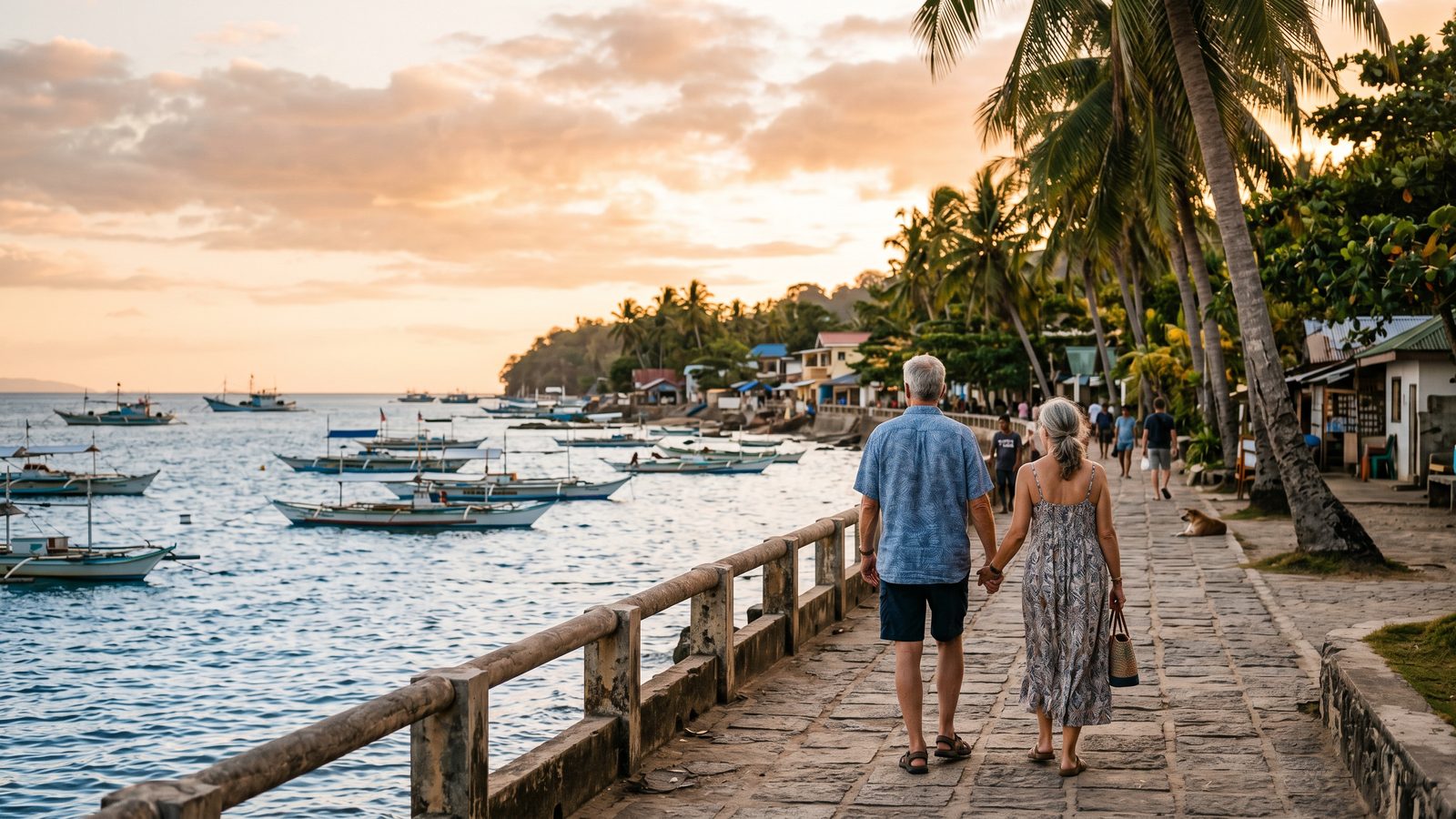
Updated for 2026: This the Philippines retirement guide has been reviewed and updated with current cost-of-living considerations, healthcare planning notes, visa and residency cautions, safety research steps, and practical location guidance for retirees considering the Philippines.
the Philippines remains a serious retirement option for people who want English-language convenience, tropical island living, friendly communities, lower everyday costs, and access to domestic travel across thousands of islands. The country can offer a rewarding lifestyle for retirees who choose the right location, understand the residency process, and build a realistic budget before moving.
However, retiring in the Philippines in 2026 should not be treated as a simple low-cost escape. Housing costs, private healthcare, insurance, climate, infrastructure, taxes, and visa documentation can vary widely by city and lifestyle. The safest approach is to visit more than once, compare neighborhoods in person, and verify immigration and healthcare details before committing.
Quick 2026 Snapshot
- Best for: Retirees who want English widely spoken, warm weather, beach and island options, lower service costs, and a friendly social culture.
- Estimated monthly budget: About $1,500 to $3,200 per month for many retirees, with costs higher in premium Manila, Cebu, beach, or expat neighborhoods.
- Top retirement areas: Dumaguete, Cebu, Davao, Iloilo, Baguio, Subic Bay, Tagaytay, and selected areas near Manila.
- Main advantages: English access, warm culture, lower labor and service costs, island scenery, and many established foreign-resident communities.
- Main cautions: Healthcare quality varies by location, infrastructure can be uneven, storms and flooding matter, and visa rules should be verified carefully.
- Healthcare note: Healthcare is best in Manila, Cebu, Davao, and other major cities; smaller islands may be unsuitable for complex medical needs.
Why Retire To the Philippines?
The Philippines attracts retirees because it feels easier to enter socially than many foreign destinations. English is widely spoken, many Filipinos have family abroad, and foreign retirees often find day-to-day communication less intimidating than in countries where they must immediately operate in another language.
The lifestyle can be appealing for people who want tropical weather, beaches, domestic travel, affordable restaurants, household help, and friendly communities. A retiree who chooses the right city can often build a comfortable routine at a lower cost than in many U.S. locations.
The country is also diverse. Manila offers big-city services, Cebu combines city and island access, Dumaguete is known among retirees, Baguio offers cooler weather, and Davao and Iloilo appeal to people seeking alternatives to the largest metro areas.
Cost Of Living In the Philippines In 2026
The Philippines can be affordable, but budgets vary widely. Imported goods, international-standard housing, private hospitals, air conditioning, generator backup, private drivers, and flights between islands can raise costs.
- Budget lifestyle: About $1,200 to $1,800 per month may be possible for a single retiree in a modest rental outside premium neighborhoods.
- Comfortable lifestyle: About $2,000 to $3,200 per month is a more practical range for many retirees who want a comfortable apartment, restaurants, private healthcare, utilities, and domestic travel.
- Higher-end lifestyle: $3,500 or more per month may be needed for upscale Manila or Cebu housing, premium beach areas, frequent flights, private insurance, and western lifestyle expectations.
Before moving, build a monthly budget that includes rent, utilities, internet, mobile phone service, groceries, restaurants, transportation, private health insurance or self-pay medical care, travel back home, immigration renewals, and an emergency reserve. Imported products, beachfront housing, air conditioning, private insurance, and frequent travel can raise costs quickly.
Best Places To Retire In the Philippines
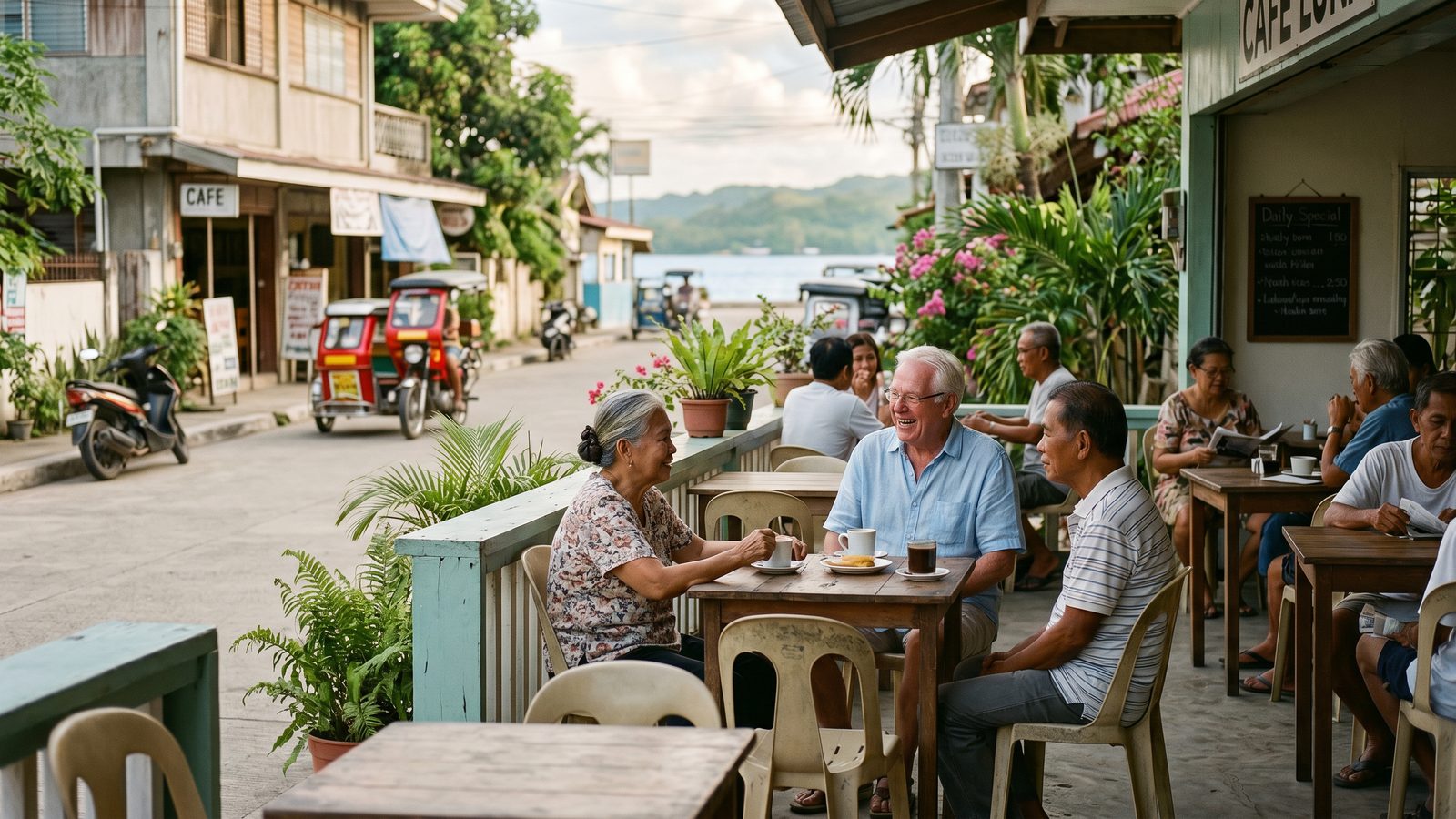
Choosing a retirement location in the Philippines should start with healthcare access, airport access, storm exposure, infrastructure, and the type of community you want.
- Dumaguete: A smaller university city often discussed by foreign retirees for its slower pace, seaside setting, and access to nearby islands.
- Cebu: A major city and island hub with hospitals, shopping, flights, beaches nearby, and a large foreign-resident presence.
- Davao: A large Mindanao city with urban services, lower-key neighborhoods, and access to regional destinations, though retirees should research advisories carefully.
- Iloilo: A growing Visayas city with a more orderly feel, improving services, and access to nearby islands.
- Baguio: A cooler mountain city that appeals to retirees who dislike constant tropical heat.
- Subic Bay and Clark areas: Former U.S.-base regions with international communities, infrastructure, and access to Manila by road.
Healthcare And Insurance
Healthcare in the Philippines is very location-dependent. Manila, Cebu, Davao, Iloilo, and other large cities have private hospitals and specialists, while smaller towns and islands may offer only basic care. Retirees with serious medical needs should live near major hospitals.
Private healthcare can be more affordable than in the United States, but insurance, emergency care, evacuation planning, and hospital payment practices should be understood in advance. Some retirees keep a plan for medical travel to Manila, Cebu, Singapore, or back home if needed.
U.S. retirees should also remember that Medicare generally does not cover healthcare outside the United States, except in limited circumstances. Many retirees keep Medicare active for care back home while arranging private insurance, local coverage, or a self-pay strategy abroad.

Visa And Residency Options
The Philippines has been known for retirement visa options, including the Special Resident Retiree’s Visa, but retirees should verify current requirements directly with official sources before planning around any specific program.
Income, deposit, age, police-clearance, medical, and documentation requirements can change. Retirees should also understand visitor extensions, permanent residence options, and whether a visa route fits their financial and family situation.
- SRRV research: The Special Resident Retiree’s Visa may be relevant, but current eligibility and financial requirements must be verified.
- Visitor-to-resident planning: Some retirees test the country first through visitor stays before committing to a long-term visa route.
- Documentation: Expect to prepare identification, proof of funds, background checks, medical forms, and other documents depending on the path used.
Safety, Climate, And Practical Considerations
Safety in the Philippines varies significantly by city, neighborhood, island, and region. Retirees should research crime, scams, traffic, medical access, typhoon exposure, flooding, and current travel advisories before choosing a destination.
The U.S. Department of State travel advisory is a useful starting point for U.S. citizens because it summarizes destination-specific risks and precautions. It should not be the only source you use, but it is important background research before choosing where to live.
- Climate: The Philippines is tropical, with heat, humidity, rainy seasons, typhoons, flooding risk, and cooler conditions only in certain mountain areas such as Baguio.
- Language: English is widely spoken, especially in cities, business, healthcare, and government settings, while learning basic Tagalog or local phrases improves daily life.
- Transportation: Traffic can be difficult in major cities, and island travel requires planning. Retirees should prioritize neighborhoods near groceries, healthcare, and reliable transport.
- Banking and taxes: Retirees should get professional advice before moving, especially if they have pensions, investments, rental income, real estate, or tax obligations in more than one country.
Pros And Cons Of Retiring In the Philippines
- Pro: English is widely spoken, making daily life easier for many retirees.
- Pro: Costs for services, restaurants, and household help can be attractive.
- Pro: The country offers beaches, islands, cities, mountains, and friendly communities.
- Pro: Several cities have established foreign-resident networks.
- Con: Healthcare quality varies sharply outside major cities.
- Con: Infrastructure, internet, roads, and utilities can be uneven.
- Con: Typhoons, flooding, heat, and humidity require planning.
- Con: Safety and travel advisories should be researched carefully by region.
Who Should Consider the Philippines?
The Philippines is best for retirees who want warm weather, English-language convenience, a social culture, island scenery, and a potentially lower cost of living.
It may not be ideal for retirees who need advanced medical care nearby at all times, dislike heat and storms, want highly predictable infrastructure, or prefer a quiet environment with little traffic or noise.
Frequently Asked Questions About Retiring In the Philippines
How much money do you need to retire in the Philippines in 2026?
Many retirees should plan on roughly $1,500 to $3,200 per month, depending on rent, city, healthcare, air conditioning, travel, and lifestyle. Premium neighborhoods and frequent flights can push costs higher.
Can Americans retire in the Philippines?
Yes. Americans can retire in the Philippines, but long-term stays require understanding visitor extensions or qualifying residency and retirement visa options.
Is healthcare good in the Philippines?
Healthcare can be good in major cities, especially private hospitals, but smaller towns and islands may not be suitable for retirees with complex medical needs.
Is the Philippines safe for retirees?
Some areas are comfortable for retirees, while others require caution. Research current advisories, neighborhood safety, storm risks, and healthcare access before choosing a location.
What are the best places to live in the Philippines as a retiree?
Dumaguete, Cebu, Davao, Iloilo, Baguio, Subic Bay, Clark, Tagaytay, and selected Manila-area neighborhoods are common starting points.
Final Thoughts
The Philippines can be a rewarding retirement destination for people who value English access, tropical living, friendly communities, and lower everyday costs.
The best results come from choosing a city based on healthcare, infrastructure, climate resilience, and community rather than simply choosing the prettiest beach.