
Retiring In Ecuador In 2026: Is It Still A Good Choice?
Updated for 2026: This Ecuador retirement guide has been reviewed and updated with current cost-of-living considerations, healthcare planning notes, visa and residency cautions, safety research steps, and practical location guidance for retirees considering Ecuador.
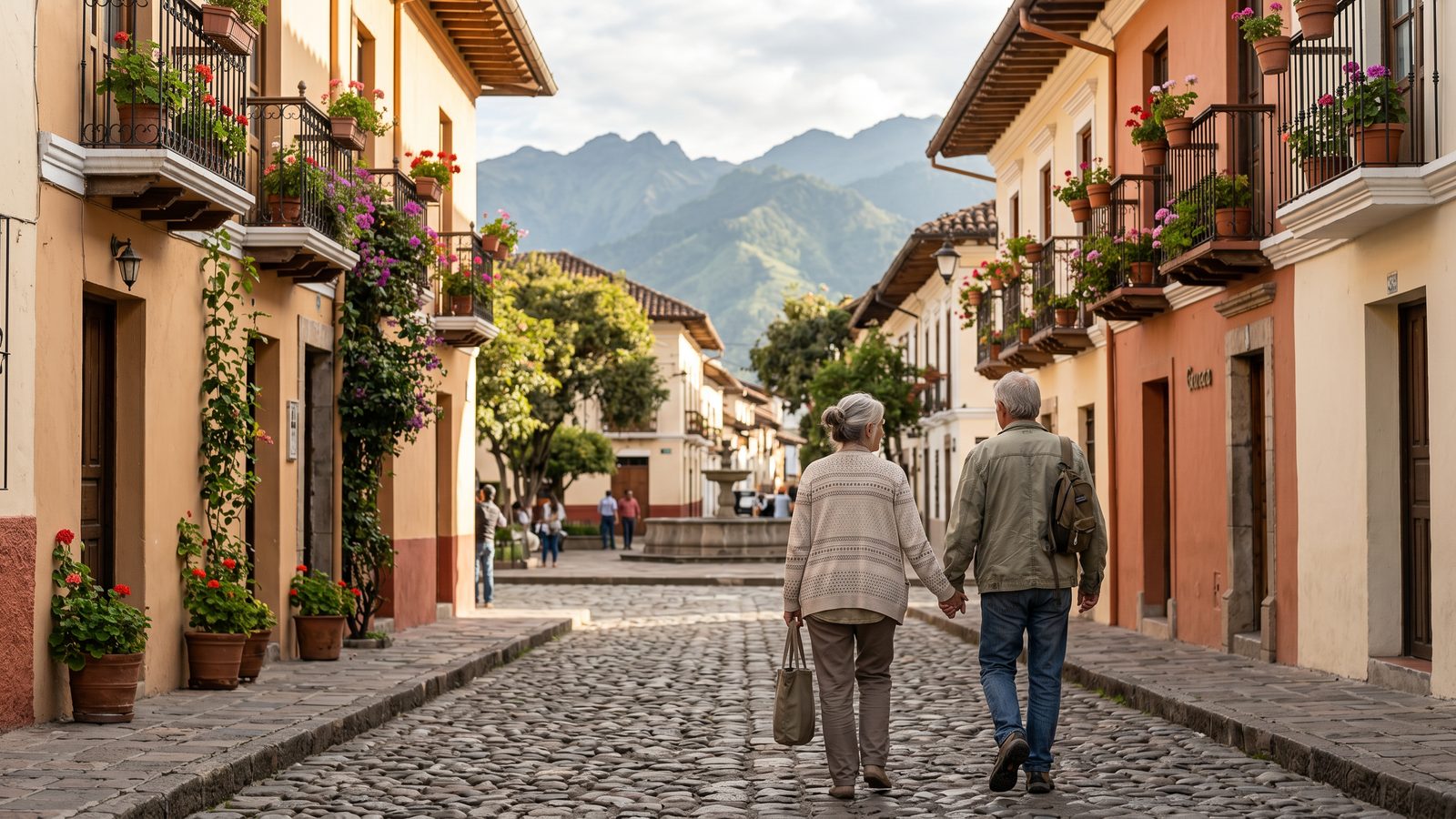
Ecuador remains a serious retirement option for people who want Andean scenery, spring-like mountain climates, lower living costs, colonial cities, Pacific coast options, and a long history as an overseas retirement destination. The country can offer a rewarding lifestyle for retirees who choose the right location, understand the residency process, and build a realistic budget before moving.
However, retiring in Ecuador in 2026 should not be treated as a simple low-cost escape. Housing costs, private healthcare, insurance, climate, infrastructure, taxes, and visa documentation can vary widely by city and lifestyle. The safest approach is to visit more than once, compare neighborhoods in person, and verify immigration and healthcare details before committing.
Quick 2026 Snapshot
- Best for: Retirees who want lower costs, mild highland climates, colonial cities, mountain scenery, and access to both Andes and Pacific coast lifestyles.
- Estimated monthly budget: About $1,600 to $3,200 per month for many retirees, depending heavily on rent, city, healthcare, and whether you choose highland or coastal living.
- Top retirement areas: Cuenca, Quito, Cotacachi, Loja, Manta, Salinas, and Vilcabamba.
- Main advantages: Lower costs, mild climates in the Andes, attractive colonial cities, good private care in major areas, and varied geography.
- Main cautions: Safety conditions need current research, healthcare access varies outside major cities, altitude may affect some retirees, and bureaucracy can be slow.
- Healthcare note: Quito, Cuenca, and Guayaquil offer the strongest healthcare options; smaller towns and coastal areas require more careful planning.
Why Retire To Ecuador?
Ecuador has long appealed to retirees because it can offer a comfortable lifestyle at a lower cost than many North American cities. The country’s compact geography also gives retirees access to mountains, colonial cities, cloud forests, and the Pacific coast without needing to cross a continent.
The biggest lifestyle draw for many retirees is climate. Cuenca, Quito, Cotacachi, Loja, and other highland areas can offer mild temperatures for much of the year, which appeals to people who do not want tropical heat. Coastal areas offer beach living for retirees who prefer oceanfront or warm-weather routines.
Ecuador is best approached with careful local research. Some older retirement articles painted it as simple and universally cheap, but 2026 retirees should evaluate safety, neighborhood choice, healthcare access, transportation, and visa requirements before relocating.
Cost Of Living In Ecuador In 2026
Ecuador can still be one of the better-value retirement destinations in Latin America, especially outside premium housing and tourist zones. However, imported goods, private insurance, beachfront property, and frequent travel can change the budget quickly.
- Budget lifestyle: About $1,300 to $1,800 per month may work for a frugal single retiree in a modest rental or smaller city.
- Comfortable lifestyle: About $2,000 to $3,200 per month is a realistic planning range for many retirees who want a comfortable apartment, private healthcare, restaurants, and local travel.
- Higher-end lifestyle: $3,500 or more per month may be needed for premium housing, frequent travel, larger apartments, private insurance, or high-end coastal living.
Before moving, build a monthly budget that includes rent, utilities, internet, mobile phone service, groceries, restaurants, transportation, private health insurance or self-pay medical care, travel back home, immigration renewals, and an emergency reserve. Imported products, beachfront housing, air conditioning, private insurance, and frequent travel can raise costs quickly.
Best Places To Retire In Ecuador
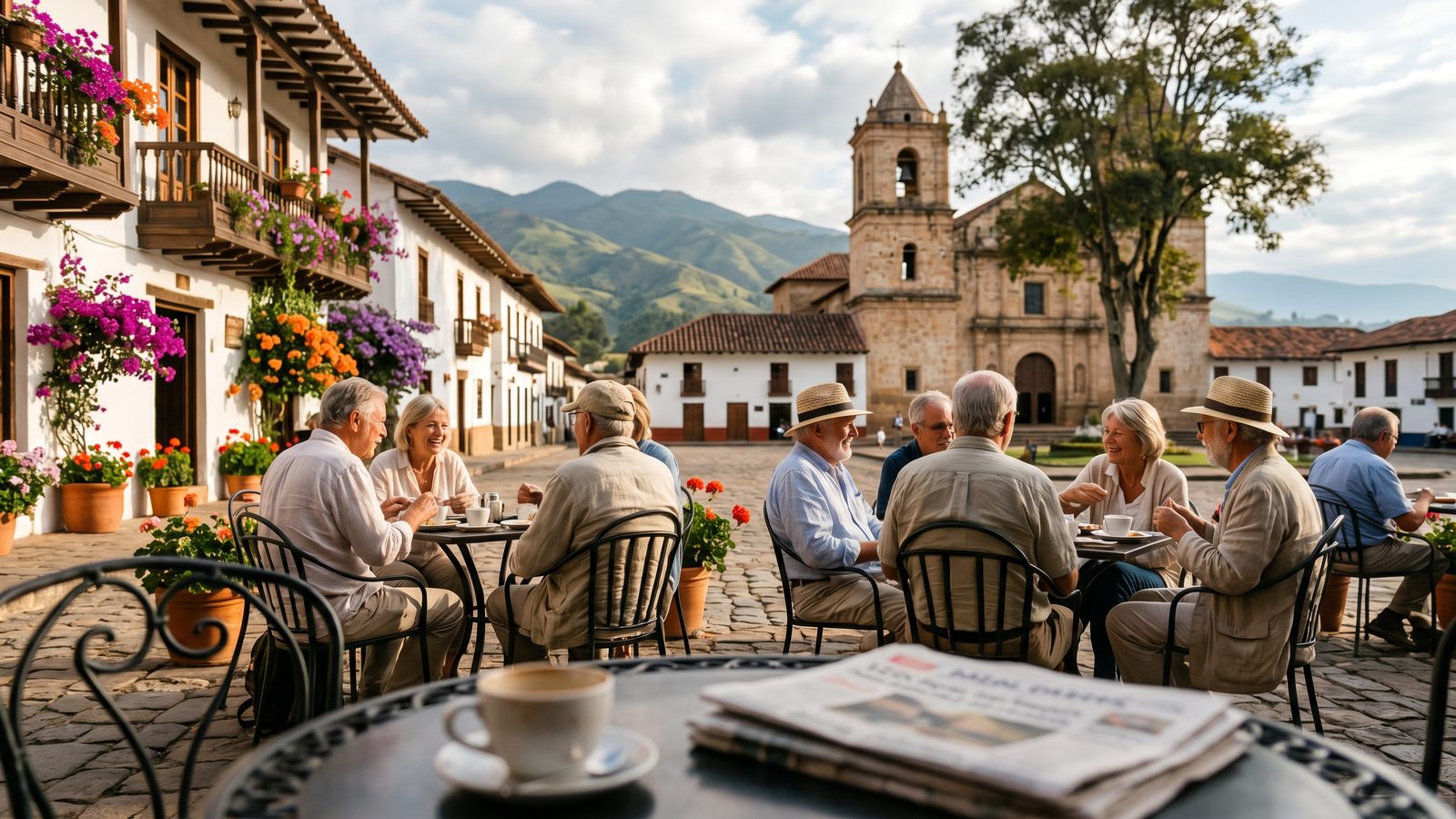
Ecuador’s retirement locations differ by altitude, healthcare access, climate, safety, and expat community size.
- Cuenca: A classic retirement choice known for colonial architecture, mild climate, walkability, cultural life, and a visible expat community.
- Quito: The capital offers major hospitals, flights, culture, and big-city services, though traffic and altitude matter.
- Cotacachi: A smaller Andean town that appeals to retirees seeking quiet living, mountain scenery, and a slower pace.
- Loja: A southern highland city with a mild climate, culture, and a less tourist-heavy atmosphere.
- Manta: A Pacific coast city with beaches, services, and warmer weather, though coastal heat and healthcare planning matter.
- Salinas: A beach resort area with high-rise condos and oceanfront living, but seasonal tourism and humidity should be considered.
Healthcare And Insurance
Healthcare in Ecuador is strongest in larger cities such as Quito, Guayaquil, and Cuenca. Private clinics and hospitals can provide good care at costs that may be lower than in the United States, but services vary by region.
Retirees with chronic conditions should choose a location based on access to specialists rather than scenery alone. Altitude is also important: highland cities can be comfortable for many people but may not suit retirees with certain heart, lung, or mobility issues.
U.S. retirees should also remember that Medicare generally does not cover healthcare outside the United States, except in limited circumstances. Many retirees keep Medicare active for care back home while arranging private insurance, local coverage, or a self-pay strategy abroad.

Visa And Residency Options
Ecuador has offered visa categories that may suit retirees, but income thresholds, document rules, background checks, health insurance requirements, and processing details should be verified through official channels.
Retirees should also prepare for document legalization, translation, local appointments, and potential changes in policy. A qualified immigration professional can help, but official verification is still essential.
- Retirement or pensioner options: Retirees may qualify through documented pension or income, subject to current rules.
- Health insurance: Proof of coverage or access to qualifying healthcare arrangements may be required for residence.
- Document preparation: Police records, pension letters, birth records, and other documents may need apostilles and certified translations.
Safety, Climate, And Practical Considerations
Ecuador’s safety environment should be researched carefully in 2026. Some areas remain popular with retirees, but crime, protests, transportation disruptions, and regional security concerns can change. Retirees should compare city and neighborhood conditions before choosing a home.
The U.S. Department of State travel advisory is a useful starting point for U.S. citizens because it summarizes destination-specific risks and precautions. It should not be the only source you use, but it is important background research before choosing where to live.
- Climate: Ecuador offers mild highland climates, warm coasts, humid lowlands, and altitude differences that can affect comfort and health.
- Language: Spanish is essential for daily life, rentals, healthcare, and government offices. English is limited outside expat circles and tourist services.
- Transportation: Some cities are walkable, but taxis, buses, and intercity travel require practical awareness. Retirees should consider proximity to healthcare and shopping before renting.
- Banking and taxes: Retirees should get professional advice before moving, especially if they have pensions, investments, rental income, real estate, or tax obligations in more than one country.
Pros And Cons Of Retiring In Ecuador
- Pro: Ecuador can offer a lower cost of living than many U.S. cities.
- Pro: Highland cities provide mild weather and attractive scenery.
- Pro: Cuenca and other areas have established foreign-retiree communities.
- Pro: The country offers both mountain and coastal retirement options.
- Con: Safety conditions require current, location-specific research.
- Con: Healthcare access varies outside major cities.
- Con: Altitude may not suit every retiree.
- Con: Bureaucracy and Spanish-language tasks can be challenging.
Who Should Consider Ecuador?
Ecuador is best for retirees who want affordability, mild highland weather, colonial cities, and a Latin American lifestyle that rewards Spanish learning and local adaptation.
It may not be ideal for retirees who need guaranteed English-language services, highly predictable bureaucracy, advanced medical care in a small town, or a safety environment that requires little research.
Frequently Asked Questions About Retiring In Ecuador
How much money do you need to retire in Ecuador in 2026?
Many retirees should plan on roughly $1,600 to $3,200 per month, with lower costs possible in modest settings and higher costs likely for premium housing, insurance, and frequent travel.
Can Americans retire in Ecuador?
Yes. Americans can retire in Ecuador, but long-term residence requires qualifying for the appropriate visa and verifying current income, insurance, and document requirements.
Is healthcare good in Ecuador?
Healthcare can be good in Quito, Cuenca, Guayaquil, and other major cities. Retirees should be cautious about remote areas if they need specialists or emergency care.
Is Ecuador safe for retirees?
Some retirement areas remain popular, but safety should be researched carefully by region, city, and neighborhood using current advisories and local knowledge.
What are the best places to live in Ecuador as a retiree?
Cuenca, Quito, Cotacachi, Loja, Manta, Salinas, and Vilcabamba are common places to compare.
Final Thoughts
Ecuador can still be one of the more appealing value-oriented retirement destinations for people who want mild weather, lower costs, and scenic variety.
The key is to update old assumptions: compare real rents, research safety carefully, choose healthcare access first, and spend enough time in the country before making a permanent move.