
Retiring In Mexico In 2026: Is It Still A Good Choice?
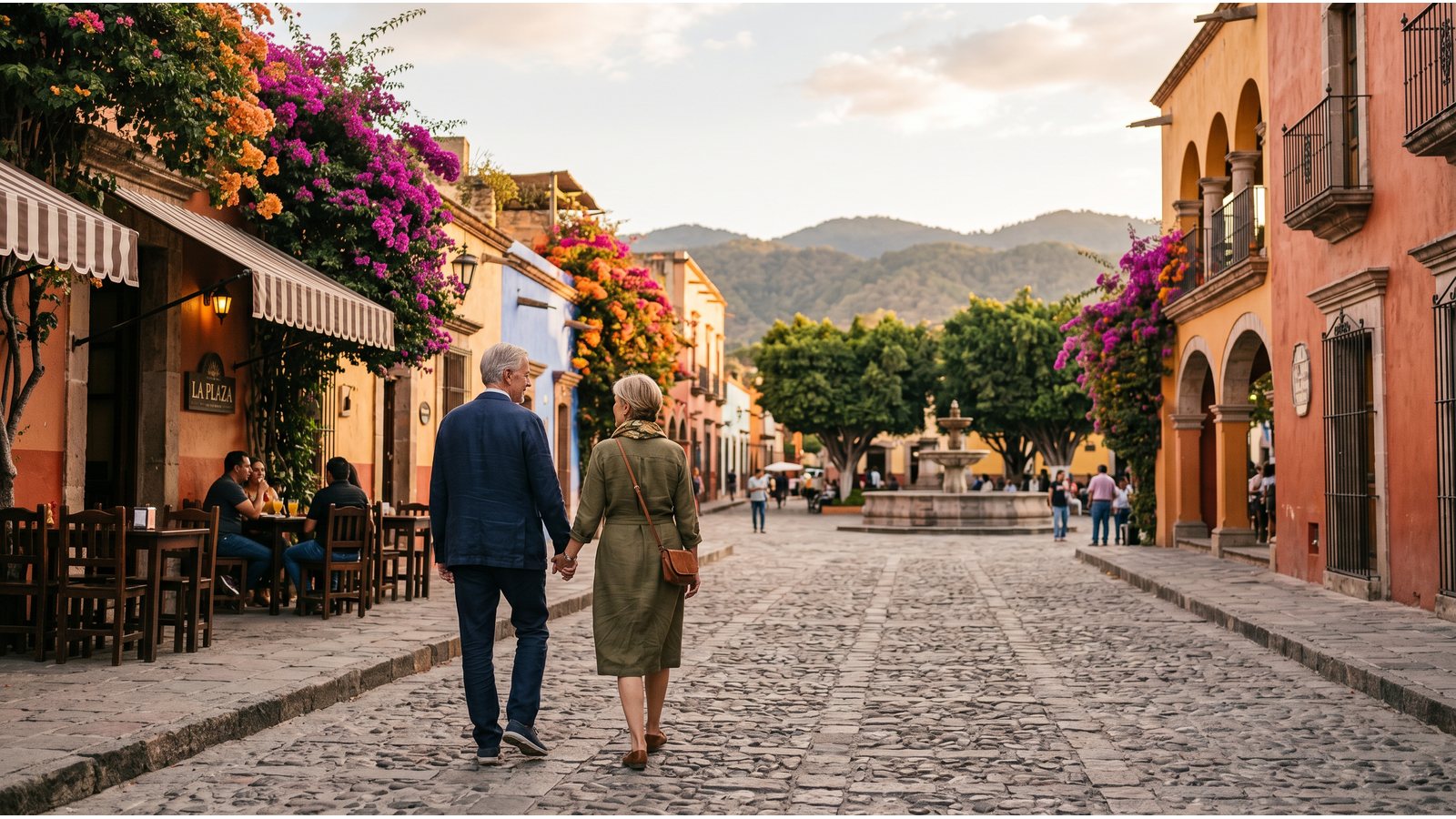
Updated for 2026: This Mexico retirement guide has been reviewed and updated with current cost-of-living considerations, healthcare planning notes, visa and residency cautions, safety research steps, and practical location guidance for retirees considering Mexico.
Mexico remains one of the most popular retirement destinations for Americans and Canadians because it is close to home, relatively affordable, culturally rich, and full of places where retirees can build a comfortable lifestyle. From beach towns on the Pacific coast to colonial highland cities and established expat communities near Lake Chapala, Mexico offers more variety than almost any other retirement destination.
However, retiring in Mexico in 2026 requires more careful planning than it did a decade ago. Housing costs have increased in many well-known expat areas, visa income requirements can vary by consulate, and safety conditions differ significantly from one state, city, and neighborhood to another. The best approach is to choose a location based on your actual lifestyle, healthcare needs, budget, climate preference, and tolerance for city living, beach humidity, or mountain elevation.
Quick 2026 Snapshot
- Best for: Retirees who want warm weather, lower everyday costs, easy flights to the United States or Canada, strong expat communities, and access to private healthcare.
- Estimated monthly budget: About $1,800 to $3,500 per month for many singles or couples, depending heavily on rent, location, healthcare, and lifestyle.
- Top retirement areas: Lake Chapala and Ajijic, San Miguel de Allende, Puerto Vallarta, Querétaro, Mérida, Mazatlán, Oaxaca, and Mexico City.
- Main advantages: Proximity to the U.S., varied climates, affordable services, rich culture, and many established expat networks.
- Main cautions: Safety varies by region, residency rules should be verified by consulate, and popular locations are no longer as inexpensive as they once were.
- Healthcare note: Mexico has excellent private hospitals and doctors in major cities, but quality and English-language access vary by region.
Why Retire To Mexico?
Mexico appeals to retirees because it can offer a better lifestyle at a lower cost than many parts of the United States. A retiree who feels financially stretched in a high-cost U.S. city may find that Mexico allows for a larger apartment, more meals out, regular household help, private medical appointments, and more travel within the same monthly budget.
The country also offers a wide range of retirement lifestyles. You can live in a walkable colonial city with restaurants and cultural events, a quiet lakeside village with a large English-speaking retiree community, a modern city with advanced medical care, or a beach town with warm weather year-round. That variety is one of Mexico’s biggest advantages.
For U.S. retirees, Mexico also has a practical benefit that many overseas destinations cannot match: it is close. Flights are frequent, time zones are familiar, and family visits are easier than they would be from Europe or Southeast Asia. For people who want to retire abroad without feeling completely disconnected from home, Mexico remains one of the strongest options.
Cost Of Living In Mexico In 2026
Mexico can still be affordable, but retirees should avoid relying on old cost estimates. The most desirable expat areas have become more expensive, especially where short-term rentals, tourism, and foreign demand have pushed up housing costs. Your budget will depend mostly on whether you rent or own, whether you choose a popular expat area, how often you eat out, and whether you use private medical care.
- Budget lifestyle: About $1,500 to $2,000 per month may be possible for a single person in a smaller city or less touristy town, especially with modest rent and local shopping habits.
- Comfortable lifestyle: About $2,000 to $3,500 per month is a more realistic range for many retirees or couples who want a comfortable rental, restaurants, transportation, private healthcare, and occasional travel.
- Higher-end lifestyle: $4,000 or more per month may be needed in premium areas such as parts of Mexico City, San Miguel de Allende, Puerto Vallarta, Los Cabos, or high-demand neighborhoods in Mérida.
Before moving, retirees should compare several cities and build a budget that includes rent, utilities, internet, mobile phone service, groceries, dining out, local transportation, private health insurance or out-of-pocket medical care, travel back home, and a reserve for currency changes. Many people are surprised by how much lifestyle choices matter. Imported food, beachfront housing, air conditioning, frequent travel, and private insurance can raise the budget quickly.
Best Places To Retire In Mexico
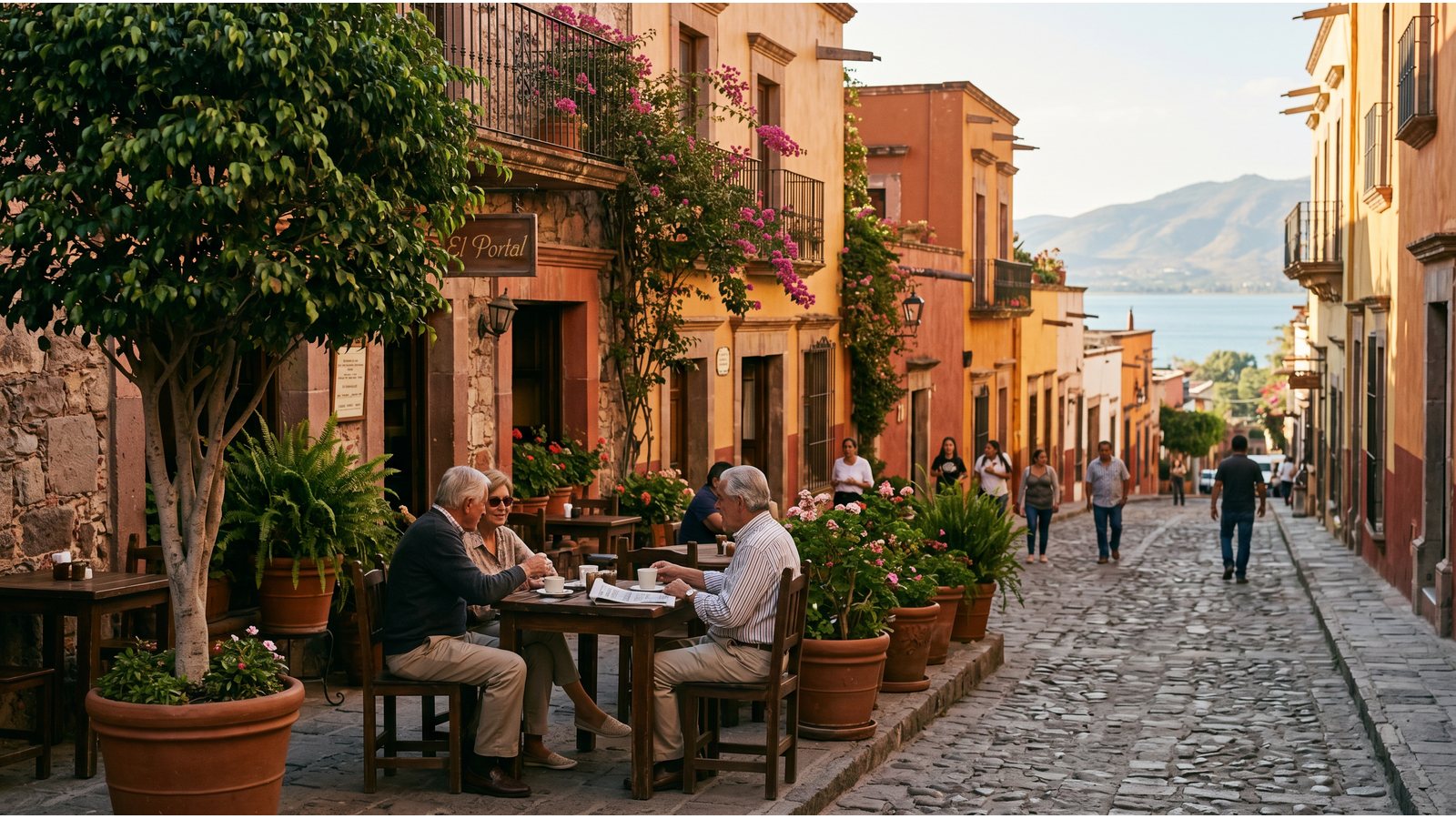
The best place to retire in Mexico depends on whether you prefer beach living, colonial cities, cool mountain climates, or large-city amenities. These are some of the most common retirement choices to research first.
- Lake Chapala and Ajijic: One of Mexico’s best-known retiree areas, with a large English-speaking community, a mild climate, and easy access to Guadalajara for shopping and healthcare.
- San Miguel de Allende: A beautiful colonial city known for arts, restaurants, walkability, and a strong expat presence. It is attractive but no longer a bargain destination.
- Puerto Vallarta: A popular Pacific Coast city with beaches, restaurants, flights, hospitals, and a large foreign-resident community.
- Querétaro: A clean, growing, modern city with good infrastructure, a historic center, and access to central Mexico without the intensity of Mexico City.
- Mérida: A warm, culturally rich city in Yucatán known for colonial architecture, food, and relative popularity among retirees who want a safer-feeling urban environment.
- Mazatlán: A Pacific beach city that can offer better value than some better-known resort areas while still providing coastal living and services.
- Oaxaca: A cultural and culinary favorite for retirees who want food, art, traditions, and a smaller-city lifestyle rather than a beach resort environment.
Healthcare And Insurance
Healthcare is one of Mexico’s strongest advantages for retirees, especially in large cities and established expat destinations. Private medical care is often much less expensive than in the United States, and many doctors in major cities speak some English. Retirees commonly use private clinics and hospitals for routine care, dental work, diagnostics, and specialist visits.
That said, healthcare quality is not the same everywhere. If you have a chronic condition, require frequent specialist care, or want access to major hospitals, you should prioritize cities with strong private medical systems. Guadalajara, Mexico City, Querétaro, Mérida, Monterrey, and Puerto Vallarta are often better choices than remote beach towns for healthcare access.
U.S. retirees should also remember that Medicare generally does not cover healthcare outside the United States, except in limited circumstances. Many retirees keep Medicare active for care back home while also using private insurance or self-paying for care in Mexico.

Visa And Residency Options
Many retirees enter Mexico first as visitors and later apply for temporary or permanent residency if they decide to stay longer. Residency rules and financial requirements can change and may vary by Mexican consulate, so retirees should verify requirements directly with the consulate where they plan to apply.
In general, Mexico offers temporary resident and permanent resident pathways for people who can show sufficient income, savings, pension income, or qualifying family ties. Some retirees qualify based on Social Security, pension income, investment balances, or retirement savings. Because requirements vary, do not rely on an old article or a single online source before making plans.
- Temporary residency: Often used by retirees who want to live in Mexico for more than a visitor stay and may renew or later transition to permanent residency.
- Permanent residency: Often suited to retirees with higher documented income or savings, or those who qualify through other allowed categories.
- Consulate variation: Financial thresholds and documentation expectations may differ by consulate, so confirm before scheduling an appointment.
Safety, Climate, And Practical Considerations
Mexico is a large country, and safety should be evaluated locally rather than nationally. Some cities and neighborhoods are popular with retirees and feel comfortable for day-to-day life, while other regions have serious security concerns. Retirees should review current travel advisories, talk to residents, visit in person, and avoid choosing a destination based only on low rent or attractive photos.
The U.S. Department of State Mexico travel advisory is a useful starting point because it breaks down risk by state. It should not be the only source you use, but it is important background research before choosing where to live.
- Climate: Mexico offers beach heat, dry highland climates, spring-like lake regions, desert areas, and cooler mountain cities.
- Language: English is common in some expat areas, but learning basic Spanish makes daily life easier and safer.
- Transportation: Many retirees can live without a car in walkable cities, but rural and beach areas may require one.
- Banking and taxes: Retirees should get professional tax advice before moving, especially if they have investments, pensions, rental income, or property in two countries.
Pros And Cons Of Retiring In Mexico
- Pro: Mexico can offer a comfortable lifestyle at a lower cost than many U.S. cities.
- Pro: The country has many established expat communities, making it easier to transition abroad.
- Pro: Private healthcare can be high quality and more affordable than in the United States.
- Pro: Mexico is close to the U.S. and Canada, making family visits easier.
- Con: Safety conditions vary widely by region and require current research.
- Con: Popular expat destinations are becoming more expensive.
- Con: Residency requirements and consulate practices can change.
- Con: Healthcare access may be limited in smaller towns or remote beach areas.
Who Should Consider Mexico?
Mexico is best for retirees who want to remain close to North America, enjoy warm or mild weather, live in a culturally rich country, and reduce some everyday costs without moving to the other side of the world. It is especially appealing for retirees who are willing to learn basic Spanish, spend time comparing cities, and choose a location based on healthcare, safety, and lifestyle rather than just scenery.
Mexico may not be ideal for retirees who want a completely English-speaking environment, dislike bureaucracy, require highly specialized medical care nearby, or are uncomfortable researching safety conditions carefully.
Frequently Asked Questions About Retiring In Mexico
How much money do you need to retire in Mexico in 2026?
Many retirees should plan on roughly $1,800 to $3,500 per month for a modest-to-comfortable lifestyle, although costs can be lower in smaller towns and higher in popular expat or beach destinations. Housing is usually the biggest variable.
Can Americans retire in Mexico?
Yes. Americans can retire in Mexico, but long-term living usually requires understanding visitor limits and applying for temporary or permanent residency if you plan to stay beyond normal tourist periods. Requirements should be verified through a Mexican consulate.
Is healthcare good in Mexico?
Healthcare can be very good in major cities and established expat destinations, especially in the private system. Retirees with serious medical needs should live near a city with strong hospitals and specialists rather than in a remote beach town.
Is Mexico safe for retirees?
Some areas are popular and comfortable for retirees, while others have serious security concerns. Safety should be researched by state, city, and neighborhood using current advisories, local knowledge, and in-person visits.
What are the best places to live in Mexico as a retiree?
Popular choices include Lake Chapala and Ajijic, San Miguel de Allende, Puerto Vallarta, Mérida, Querétaro, Mazatlán, Oaxaca, and Mexico City. The best choice depends on your budget, climate preference, healthcare needs, and comfort with large cities or tourist areas.
Final Thoughts
Mexico remains one of the best retirement-abroad options for people who want lower costs, cultural richness, good private healthcare, and proximity to the United States or Canada. The key is to treat Mexico as a collection of very different retirement markets rather than one single destination. Visit several areas, compare real monthly costs, verify residency rules, research safety carefully, and choose the city or town that fits your actual life.
For retirees who do that homework, Mexico can still be one of the most practical and rewarding places to retire in 2026.