
Retiring In Portugal In 2026: Is It Still A Good Choice?
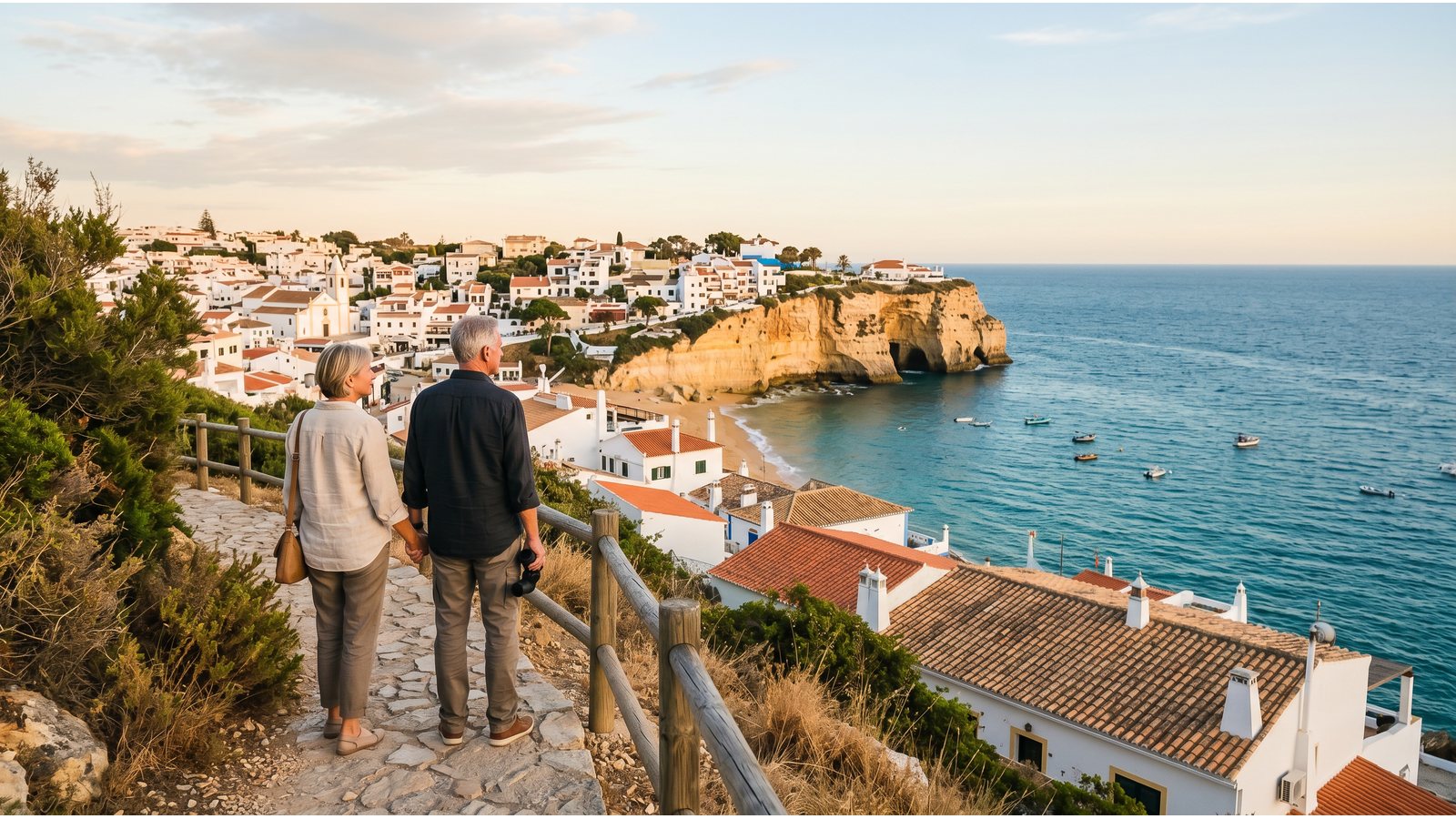
Updated for 2026: This Portugal retirement guide has been reviewed and updated with current cost-of-living considerations, healthcare planning notes, visa and residency cautions, safety research steps, and practical location guidance for retirees considering Portugal.
Portugal continues to attract retirees who want European culture, Atlantic beaches, historic cities, mild weather, and a generally high quality of life. It has long appealed to Americans, Canadians, British retirees, and other international residents because it combines safety, healthcare access, food, scenery, and travel opportunities within Europe.
However, Portugal is not the low-cost secret it once was. Housing costs in Lisbon, Porto, the Algarve, and other high-demand areas have risen significantly, and visa planning has become more important. Retiring in Portugal in 2026 can still be an excellent choice, but it works best for retirees who understand the real cost of living, choose the right region, and verify visa and residency requirements before making major financial commitments.
Quick 2026 Snapshot
- Best for: Retirees who want a European lifestyle, coastal scenery, public and private healthcare options, walkable towns, and access to the Schengen Area.
- Estimated monthly budget: About €2,000 to €4,000 per month for many retirees or couples, depending on housing, region, insurance, and lifestyle.
- Top retirement areas: Algarve, Lisbon suburbs, Porto, Cascais, Coimbra, Braga, Silver Coast, and Madeira.
- Main advantages: Safety, climate, food, healthcare, European travel access, and a large international retiree community.
- Main cautions: Rising housing costs, visa paperwork, healthcare wait times in the public system, and competition in popular expat areas.
- Healthcare note: Portugal has a public healthcare system and a private sector, but non-EU retirees should plan for insurance and understand access rules.
Why Retire To Portugal?
Portugal offers a retirement lifestyle that many people imagine when they think of Europe: historic streets, seaside towns, fresh seafood, cafés, markets, mild winters, and easy travel to other countries. Retirees can choose between beach communities, university towns, city neighborhoods, quiet inland villages, or island living in Madeira or the Azores.
Portugal is also attractive because it feels familiar enough for many English-speaking retirees to settle in, especially in Lisbon, Porto, Cascais, and the Algarve. English is widely spoken in many tourist and expat areas, although learning Portuguese is still strongly recommended for daily life, bureaucracy, and deeper integration.
The country remains a strong option for retirees who want a slower pace, good food, access to medical care, and the ability to travel around Europe. The main challenge in 2026 is affordability in the most popular areas. Retirees who are flexible on location may find much better value outside the best-known neighborhoods and resort towns.
Cost Of Living In Portugal In 2026
Portugal can still be more affordable than many parts of Western Europe and many U.S. coastal cities, but old estimates often understate the true cost of retiring there today. Rent is the biggest factor. A retiree living in a desirable part of Lisbon, Cascais, Porto, or the Algarve may spend far more than someone living in Coimbra, Braga, the Silver Coast, or an inland town.
- Budget lifestyle: Around €1,700 to €2,300 per month may be possible for a single person outside the most expensive areas, especially with modest rent and local shopping.
- Comfortable lifestyle: Around €2,500 to €4,000 per month is a more realistic range for many couples who want a good rental, restaurants, private insurance, transportation, and travel.
- Higher-end lifestyle: €4,500 or more per month may be needed in premium areas such as central Lisbon, Cascais, parts of Porto, or high-demand Algarve communities.
Retirees should budget for rent or mortgage costs, utilities, health insurance, out-of-pocket medical care, groceries, dining out, transportation, tax advice, residency costs, and travel back home. If you plan to keep a home in another country while renting in Portugal, your budget should include both sets of expenses.
Best Places To Retire In Portugal
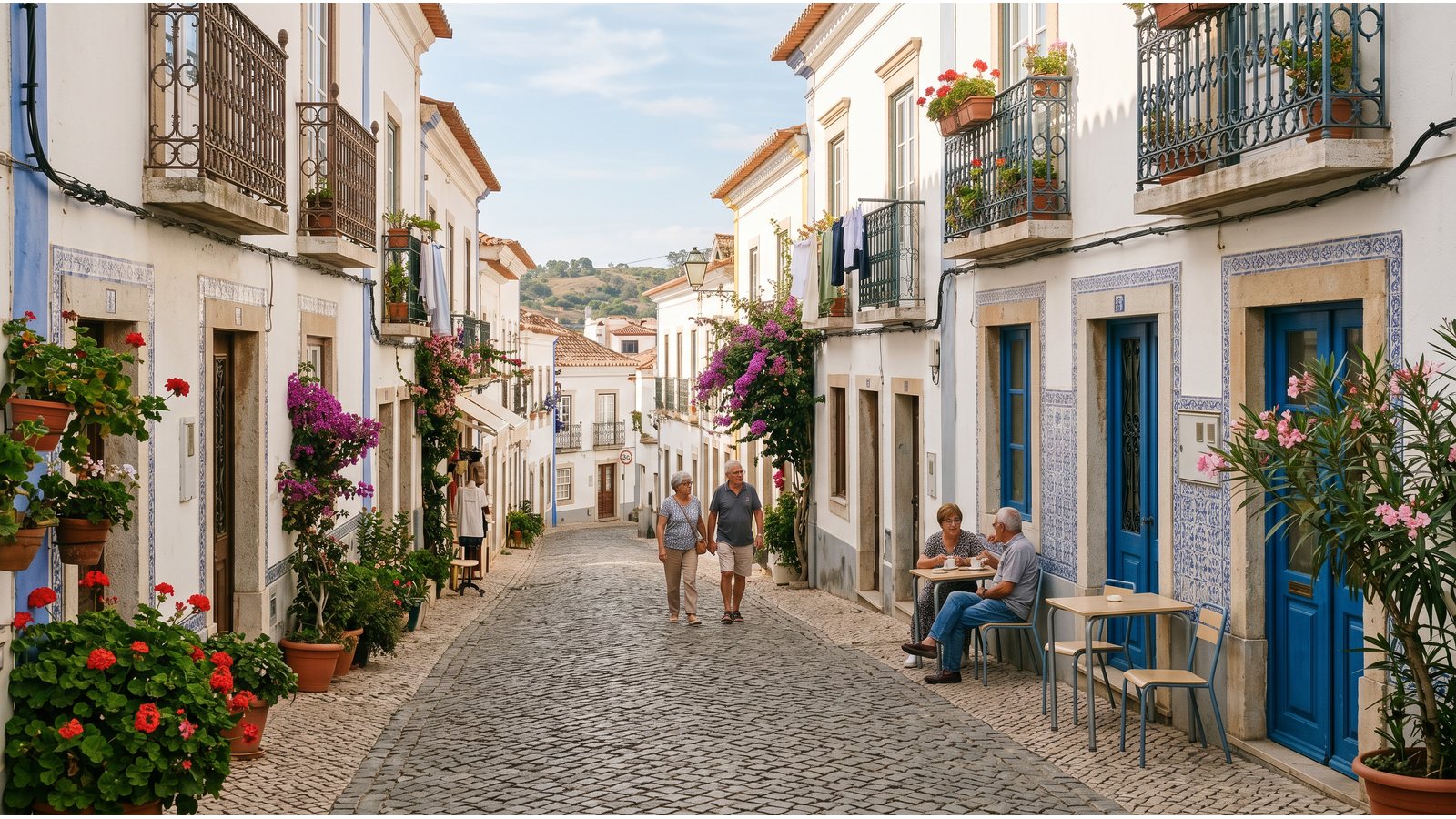
Portugal offers several very different retirement lifestyles. The best choice depends on whether you want beaches, city life, a lower-cost inland base, or a quieter town with good services.
- The Algarve: Portugal’s best-known retiree region, with beaches, golf, restaurants, international residents, and a mild climate. It is popular but can be expensive in desirable towns.
- Cascais and Lisbon suburbs: Best for retirees who want access to the capital, international services, private healthcare, and upscale coastal living.
- Porto: A historic northern city with culture, food, medical care, and a cooler, wetter climate than the Algarve or Lisbon region.
- Coimbra: A university city that can offer culture, healthcare, and better value than Lisbon or Cascais.
- Braga: A northern city known for history, services, and a more affordable lifestyle than Portugal’s most famous expat centers.
- Silver Coast: A good option for retirees who want Atlantic beaches, smaller towns, and potentially better value than the Algarve.
- Madeira: An island option with dramatic scenery, mild weather, and a distinct lifestyle, best for retirees comfortable with island logistics.
Healthcare And Insurance
Portugal has a well-regarded healthcare system that includes public healthcare and private medical providers. Residents may be eligible to access the public system depending on their residency status and registration, but many foreign retirees also use private insurance for faster appointments, English-speaking doctors, or private hospitals.
Healthcare access is generally strongest in and near major cities. Lisbon, Porto, Coimbra, and the Algarve have more medical infrastructure than remote villages. Retirees with chronic conditions should choose a location based on proximity to hospitals, specialists, pharmacies, and transportation rather than simply choosing the prettiest town.
U.S. retirees should remember that Medicare generally does not cover healthcare outside the United States, except in limited circumstances. Many Americans keep Medicare active for trips home while also arranging private coverage in Portugal.

Visa And Residency Options
Non-EU retirees usually need a visa and residency pathway to live in Portugal long term. The D7 visa is commonly discussed for retirees because it is designed around stable passive income, such as pensions, retirement income, rental income, or other recurring income. Remote workers may need to look at different visa categories, so retirees should not assume that one visa fits every situation.
Portugal’s visa and immigration rules can change, and processing is handled through official channels and immigration authorities. Before making plans, retirees should verify current requirements with the Portuguese consulate, Portugal’s official visa portal, and AIMA, Portugal’s immigration agency.
- D7-style retirement planning: Often used by retirees with stable passive income who want to live in Portugal.
- Documentation: Applicants should expect to provide proof of income, accommodation, insurance, background checks, and other required documents.
- Golden Visa caution: Portugal’s investment-based residency rules have changed over time, and real estate is no longer the simple pathway many older articles describe.
- Tax planning: Retirees should consult cross-border tax professionals before moving, especially if they have pensions, investments, property, or business income.
Safety, Climate, And Practical Considerations
Portugal is generally considered one of Europe’s safer countries, but retirees should still use normal precautions, especially in tourist areas where pickpocketing and petty theft can occur. Safety should also include practical questions such as whether you can handle hills, narrow sidewalks, stairs, driving, summer heat, winter dampness, or living without a car.
- Climate: Southern Portugal is warmer and drier, northern Portugal is cooler and wetter, and inland areas can be hotter in summer and colder in winter.
- Language: English is common in expat and tourist centers, but Portuguese is important for daily life and government paperwork.
- Housing: Older buildings may lack elevators, central heating, insulation, or accessibility features that retirees need.
- Transportation: Cities and larger towns may offer public transit, while rural areas often require a car.
Pros And Cons Of Retiring In Portugal
- Pro: Portugal offers a high quality of life with beaches, culture, food, and access to European travel.
- Pro: Many areas have strong international communities and English-language services.
- Pro: Healthcare options can be good, especially near major cities.
- Pro: Portugal can feel safe and manageable for retirees who want a European base.
- Con: Housing costs have risen significantly in popular locations.
- Con: Visa, residency, and tax planning require careful documentation.
- Con: Public healthcare access and wait times may not meet every retiree’s expectations.
- Con: Some charming older homes and towns may not be ideal for mobility limitations.
Who Should Consider Portugal?
Portugal is best for retirees who want a European lifestyle, enjoy walking cities and coastal towns, value safety and culture, and have enough retirement income to handle rising housing costs. It is especially attractive for retirees who want to travel around Europe and are willing to navigate visa and tax planning carefully.
Portugal may not be ideal for retirees looking for the absolute lowest-cost overseas destination. It may also be challenging for those who need a large home on a small budget, require immediate specialist healthcare in a rural area, or are not comfortable with paperwork and bureaucracy.
Frequently Asked Questions About Retiring In Portugal
How much money do you need to retire in Portugal in 2026?
Many retirees should plan on roughly €2,000 to €4,000 per month, depending mostly on housing and location. Lisbon, Cascais, Porto, and the Algarve can be much more expensive than smaller inland cities or less famous coastal towns.
Can Americans retire in Portugal?
Yes. Americans can retire in Portugal, but they generally need to qualify for an appropriate visa and residency pathway if they want to live there long term. The D7 visa is commonly used by retirees with stable passive income, but requirements should be verified through official channels.
Is healthcare good in Portugal?
Portugal has good healthcare by international standards, especially in larger cities and developed regions. Many retirees use a combination of public access, private insurance, and private appointments depending on residency status and personal needs.
Is Portugal safe for retirees?
Portugal is generally considered safe, but retirees should still research neighborhoods, use normal travel precautions, and consider practical safety issues such as walkability, hills, transportation, and access to medical care.
What are the best places to live in Portugal as a retiree?
Popular retirement areas include the Algarve, Cascais, Lisbon suburbs, Porto, Coimbra, Braga, the Silver Coast, and Madeira. The best location depends on budget, climate preference, healthcare access, and whether you want city life, beach life, or a quieter town.
Final Thoughts
Portugal remains one of the most appealing retirement destinations in Europe, but it should be approached with current expectations. The best retirement fit is no longer simply the cheapest apartment near the beach. Retirees should compare regions, test the lifestyle in different seasons, verify visa requirements, plan for healthcare, and get tax advice before making a permanent move.
For retirees who want Europe, culture, coastlines, safety, and a slower pace of life, Portugal can still be an excellent place to retire in 2026.