
Retiring In Thailand In 2026: Is It Still A Good Choice?
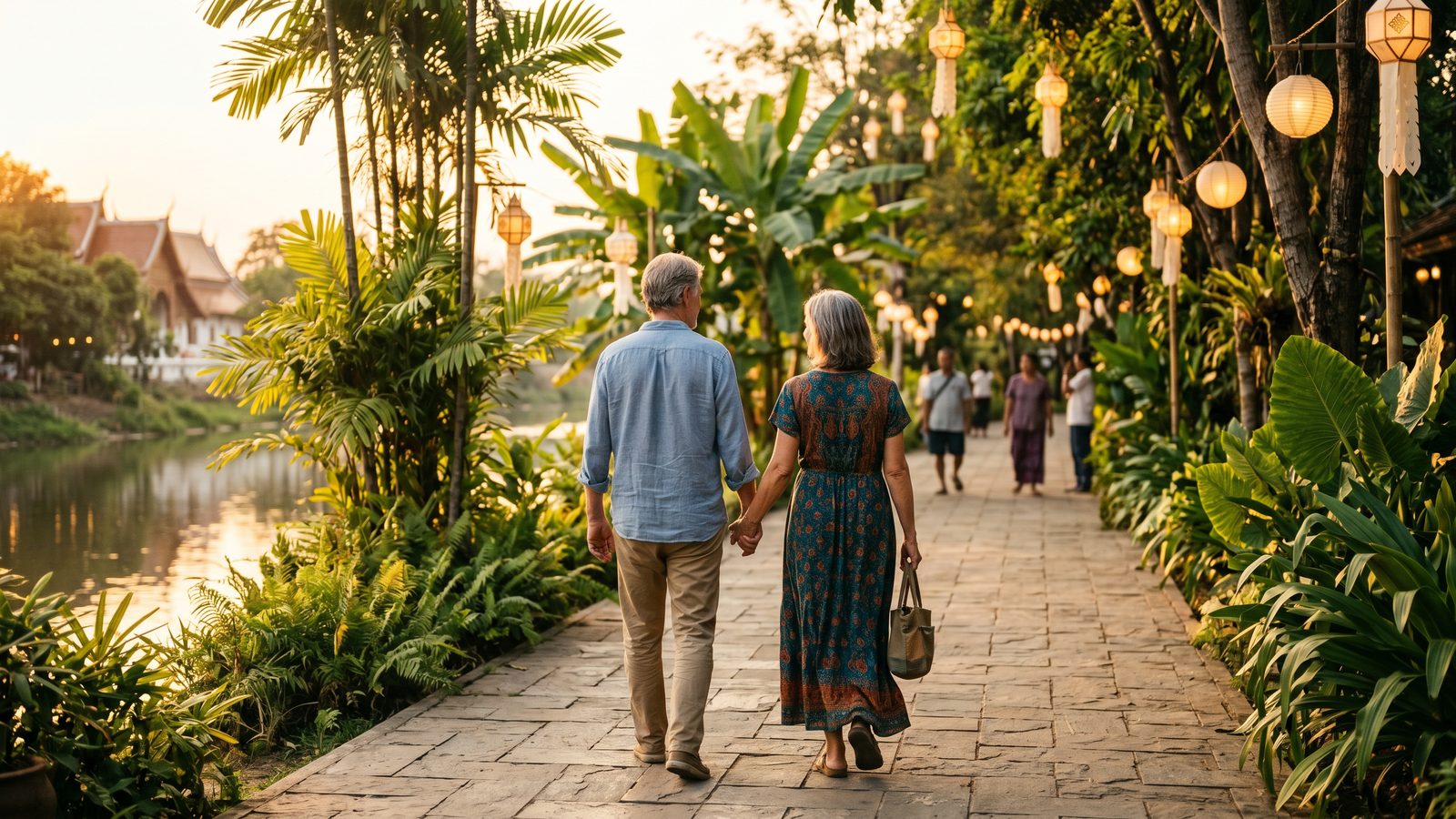
Updated for 2026: This Thailand retirement guide has been reviewed and updated with current cost-of-living considerations, healthcare planning notes, visa and residency cautions, safety research steps, and practical location guidance for retirees considering Thailand.
Thailand remains a serious retirement option for people who want warm weather, excellent private healthcare in major cities, flavorful food, beach and mountain choices, and a lower cost of living than many Western countries. The country can offer a rewarding lifestyle for retirees who choose the right location, understand the residency process, and build a realistic budget before moving.
However, retiring in Thailand in 2026 should not be treated as a simple low-cost escape. Housing costs, private healthcare, insurance, climate, infrastructure, taxes, and visa documentation can vary widely by city and lifestyle. The safest approach is to visit more than once, compare neighborhoods in person, and verify immigration and healthcare details before committing.
Quick 2026 Snapshot
- Best for: Retirees who want warm weather, strong private hospitals, restaurant culture, good value, and a choice between city, beach, and mountain lifestyles.
- Estimated monthly budget: About $1,600 to $3,500 per month for many retirees, with Bangkok, Phuket, and premium beach areas costing more.
- Top retirement areas: Chiang Mai, Hua Hin, Bangkok, Phuket, Pattaya and Jomtien, Koh Samui, and Chiang Rai.
- Main advantages: Affordable services, excellent private hospitals in major areas, friendly daily culture, and many established expat communities.
- Main cautions: Visa compliance matters, heat and humidity can be intense, traffic can be difficult, and English access varies outside expat zones.
- Healthcare note: Thailand has some of Asia’s best-known private hospitals, especially in Bangkok, Chiang Mai, Phuket, and other major centers.
Why Retire To Thailand?
Thailand remains one of the world’s best-known retirement destinations because it can combine lifestyle value with modern private healthcare. A retiree can live in a mountain city, a beach town, a busy capital, or a quieter provincial area and still find many services at costs below those in the United States.
The lifestyle appeal is broad. Retirees often mention food, massage, domestic travel, friendly service culture, temples, beaches, and access to regional flights. Thailand also has a large community of foreign retirees, which can make the first year abroad easier.
The best retirement experience in Thailand usually comes from matching the destination to your tolerance for heat, traffic, crowds, tourism, and distance from healthcare. A quiet island may be beautiful, but it may not be the best choice for someone who needs frequent specialist appointments.
Cost Of Living In Thailand In 2026
Thailand can still be affordable, but the cost difference between a modest provincial lifestyle and a premium beach or Bangkok lifestyle is significant. Rent, air conditioning, imported groceries, western restaurants, private insurance, and international travel are the main budget variables.
- Budget lifestyle: About $1,300 to $1,800 per month may be possible for a single retiree in Chiang Mai or a smaller city with modest rent and local habits.
- Comfortable lifestyle: About $2,000 to $3,500 per month is a more practical range for many retirees who want a good apartment, air conditioning, restaurants, insurance, healthcare, and travel.
- Higher-end lifestyle: $4,000 or more per month may be needed for premium Bangkok neighborhoods, upscale Phuket or Koh Samui housing, frequent flights, or luxury condominium living.
Before moving, build a monthly budget that includes rent, utilities, internet, mobile phone service, groceries, restaurants, transportation, private health insurance or self-pay medical care, travel back home, immigration renewals, and an emergency reserve. Imported products, beachfront housing, air conditioning, private insurance, and frequent travel can raise costs quickly.
Best Places To Retire In Thailand
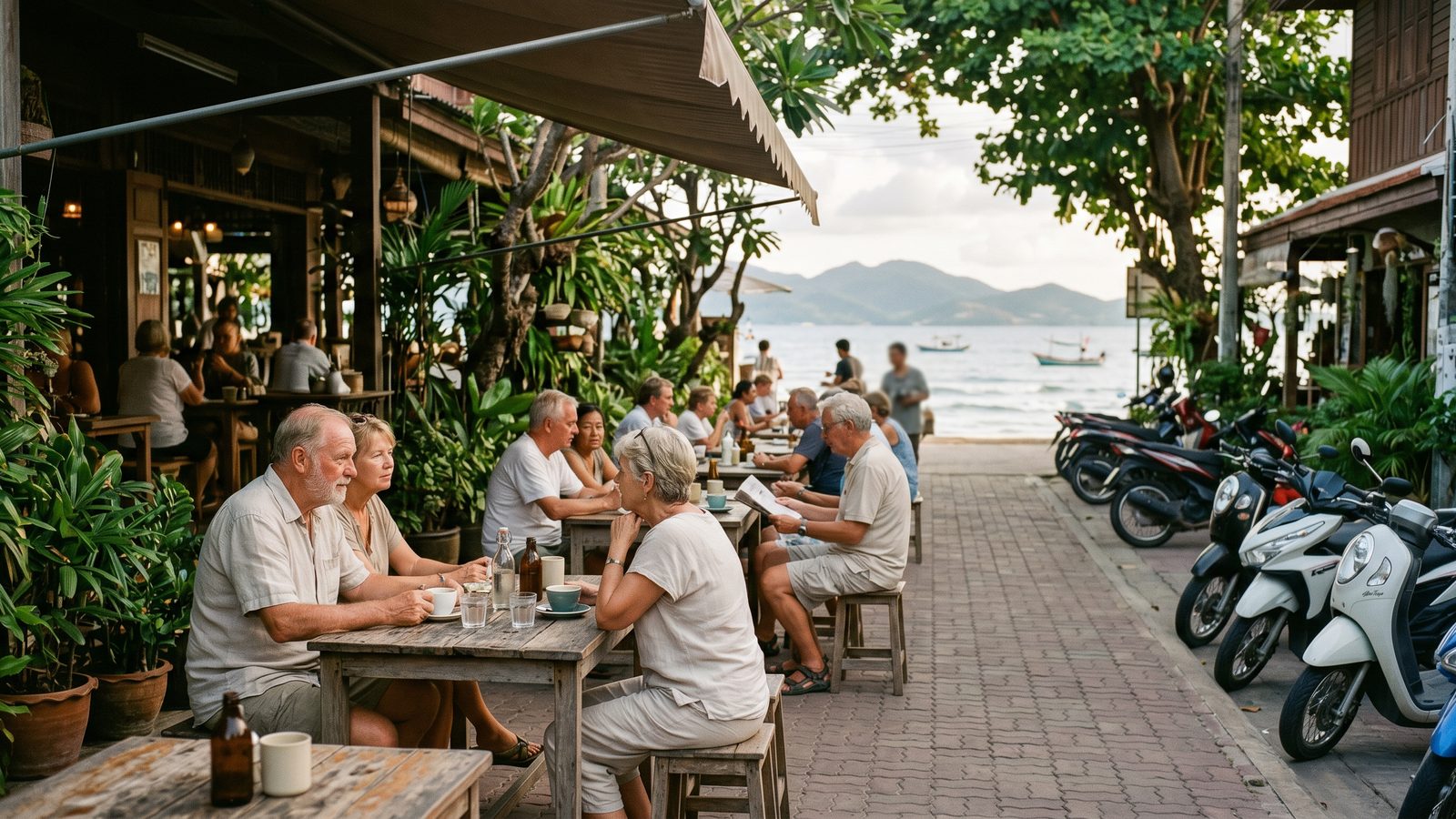
Thailand’s retirement areas vary dramatically. The right choice depends on whether you want cooler hills, beach life, nightlife, hospitals, international schools for family visits, or easy airport access.
- Chiang Mai: A popular northern city with lower costs, cafes, hospitals, mountains, and a large retiree and digital-nomad community.
- Hua Hin: A Gulf Coast resort city with beaches, golf, hospitals, Bangkok access, and a calmer feel than some party-oriented beach destinations.
- Bangkok: Best for retirees who want top hospitals, shopping, international flights, restaurants, and big-city convenience.
- Phuket: A major island destination with beaches, international amenities, private hospitals, and higher costs than many inland areas.
- Pattaya and Jomtien: Convenient coastal areas with large expat communities, services, hospitals, and varied neighborhoods.
- Koh Samui: A scenic island choice for beach-oriented retirees, though costs and healthcare logistics should be researched carefully.
Healthcare And Insurance
Healthcare is one of Thailand’s strongest retirement advantages. Bangkok, Chiang Mai, Phuket, Pattaya, and Hua Hin have private hospitals and clinics that are widely used by foreign residents and medical travelers. Routine appointments and diagnostics can be easier and less expensive than in many Western systems.
The main caution is geography. Medical access on islands or in small towns may be limited, and serious conditions may require travel to Bangkok or another major center. Retirees should compare international insurance, local private coverage, self-pay costs, age limits, and exclusions before choosing a location.
U.S. retirees should also remember that Medicare generally does not cover healthcare outside the United States, except in limited circumstances. Many retirees keep Medicare active for care back home while arranging private insurance, local coverage, or a self-pay strategy abroad.

Visa And Residency Options
Thailand’s retirement stay options can be attractive, but they require careful compliance. Retirees should verify current rules through an official Thai embassy, consulate, immigration office, or qualified advisor before assuming they qualify.
Common routes may involve retirement-based non-immigrant visas, extensions of stay, financial deposit or income requirements, insurance rules, reporting obligations, and re-entry procedures. Rules can change, and enforcement details matter.
- Retirement visa planning: Expect to document age, financial resources, insurance where required, and local address details.
- Ongoing compliance: Retirees should understand reporting, renewals, re-entry permits, and passport validity requirements.
- Professional help: A reputable visa advisor can be useful, but official sources should always be checked directly.
Safety, Climate, And Practical Considerations
Thailand is comfortable for many retirees, but practical safety still matters. Road accidents are a major risk, scams can occur in tourist zones, and weather events such as floods or poor seasonal air quality may affect certain regions.
The U.S. Department of State travel advisory is a useful starting point for U.S. citizens because it summarizes destination-specific risks and precautions. It should not be the only source you use, but it is important background research before choosing where to live.
- Climate: Thailand is tropical, with hot, humid weather, rainy seasons, and regional differences. Chiang Mai can have smoky-season air-quality concerns, while southern islands face monsoon patterns.
- Language: English is common in tourist and expat areas, but learning basic Thai helps with landlords, taxis, markets, healthcare, and bureaucracy.
- Transportation: Traffic can be difficult, and motorcycles are risky. Retirees should choose neighborhoods where daily needs are easy to reach and avoid relying on unsafe transport habits.
- Banking and taxes: Retirees should get professional advice before moving, especially if they have pensions, investments, rental income, real estate, or tax obligations in more than one country.
Pros And Cons Of Retiring In Thailand
- Pro: Thailand can offer excellent lifestyle value for retirees.
- Pro: Private healthcare in major cities is a major advantage.
- Pro: The country offers beaches, mountains, cities, islands, and strong domestic travel options.
- Pro: Large expat communities make adjustment easier in popular areas.
- Con: Visa rules require attention and can change.
- Con: Heat, humidity, traffic, and air quality can be challenging.
- Con: English access varies outside tourist and expat zones.
- Con: Remote beach or island living may complicate healthcare access.
Who Should Consider Thailand?
Thailand is best for retirees who want warm weather, good private healthcare, a lower-cost lifestyle, and a lively culture with many food, travel, and community options.
Thailand may not be ideal for retirees who dislike tropical heat, want a simple permanent-residence process, need a fully English-speaking environment, or are uncomfortable with traffic and bureaucracy.
Frequently Asked Questions About Retiring In Thailand
How much money do you need to retire in Thailand in 2026?
Many retirees should plan on roughly $1,600 to $3,500 per month, depending on city, rent, insurance, air conditioning, dining habits, and travel. Premium areas can cost more.
Can Americans retire in Thailand?
Yes. Americans can retire in Thailand, but long-term stays usually require a qualifying visa or extension and careful compliance with immigration requirements.
Is healthcare good in Thailand?
Healthcare can be excellent in major private hospitals, especially in Bangkok and other large expat centers. Retirees should live near appropriate care if they have chronic conditions.
Is Thailand safe for retirees?
Thailand is comfortable for many retirees, but road safety, scams, weather, air quality, and local crime should be researched by city and neighborhood.
What are the best places to live in Thailand as a retiree?
Chiang Mai, Hua Hin, Bangkok, Phuket, Pattaya, Jomtien, Koh Samui, and Chiang Rai are common places to compare.
Final Thoughts
Thailand remains one of the strongest retirement-abroad choices for people who want warm weather, good hospitals, vibrant daily life, and a budget that can stretch further than in many Western countries.
The key is to choose a location based on healthcare, climate, visa practicality, and day-to-day convenience rather than relying only on beach photos or old low-cost estimates.